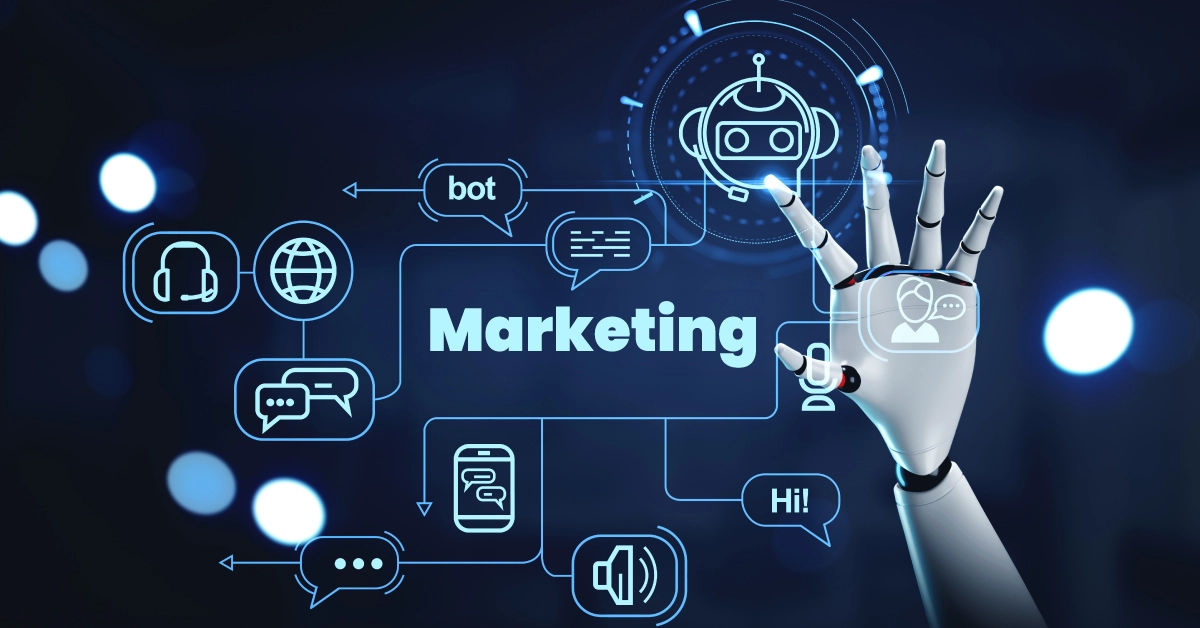
Artificial intelligence (AI), also known as simulated intelligence, is a ground-breaking innovation that enables computers and machines to emulate complex human-like learning capabilities, such as independent decision-making and problem-solving.
With its remarkable development momentum, this data-driven approach has formed part of digital advertising in 2024.
By leveraging AI techniques like machine learning algorithms, advertisers can accurately predict future customer behaviour, identify new opportunities, and optimise strategies for maximum interaction and return on investment.
Creating Excellent Content
AI provides businesses with powerful tools to create high-quality, thought-provoking content as part of their marketing strategies. By harnessing the capabilities of AI technologies such as ChatGPT, companies can develop impactful initiatives with minimal time and effort.
Enhanced Customer Engagement
AI-powered tools, such as personalised recommendations and chatbots, can significantly improve interactions with customers. Companies that incorporate AI into their digital marketing strategies could be better positioned to make data-driven decisions and enhance customer engagement.
Precise Market Analysis
AI significantly contributes to the evaluation of marketing performance metrics. Organisations can gain valuable insights into their advertising plans, understand customer behaviour, and anticipate future trends by integrating AI.
Enhancing Personalisation
AI has redefined online marketing by offering advanced tools for a personalised approach, significantly enhancing the customer experience. By leveraging AI, advertisers can predict customer behaviour and create tailored content that resonates with each individual.
Customer Segmentation
Customer categorisation has reached new heights with AI's ability to process vast amounts of data quickly and accurately. AI can group customers into distinct categories based on preferences and behaviour. This data-driven segmentation allows advertisers to deliver personalised promotions and updates, aligning with customer profiles and enhancing their overall experience.
Improved User Experience
Another significant advantage of AI in online marketing is enhanced user satisfaction. AI enables organisations to provide customers with precisely what they need, almost instantly. This helps build trust with prospective customers and fosters engagement with the brand online.
Key Takeaways
- AI has dramatically transformed digital marketing by enabling data-driven strategies and personalised interactions.
- Organisations integrating AI to understand and connect with their clients can design and deliver personalised content and initiatives.
- The primary benefits of AI in digital marketing include improved customer experience and advanced advertising refinement.
Limitations and Challenges of AI
While incorporating AI into the advertising workflow can significantly analyse vast amounts of data in real-time to optimise interactions and outcomes, challenges remain. Addressing concerns like data privacy and security, and the need for increasingly sophisticated algorithms to understand complex customer behaviour, will be crucial.
What to do
The future of AI in online marketing is exciting. With anticipated revolutionary advancements, companies adopting AI-driven advertising tools could be better equipped to engage clients and achieve remarkable growth. If you have any marketing problems then please contact our team.