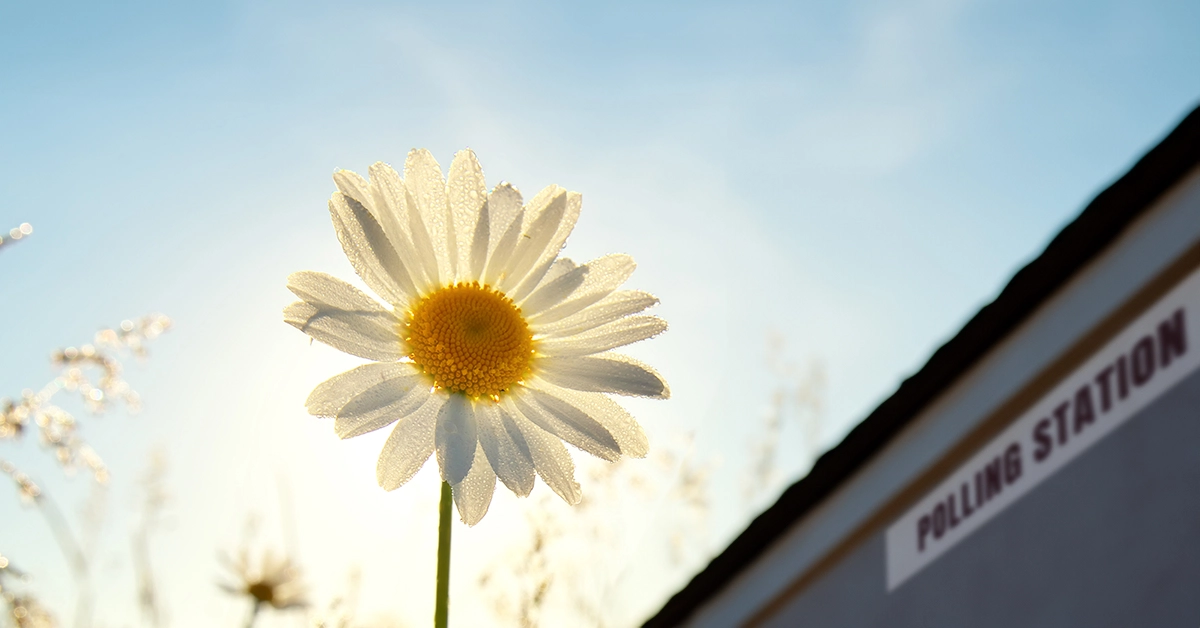
In politics, timing is everything. And when we examine the timing of General Elections in the United Kingdom since 1979, an intriguing pattern emerges - all but one have unfurled in the embrace of spring or early summer. The odd one out? The snap election of 2019. That general elections are nearly always held in the spring is not a mere coincidence; it's a strategic move deeply rooted in psychology.
Picture this: the party in power, the orchestrator of the electoral symphony, strategically selects the timing of the ballot. And their preferred season? Spring, without a doubt. Why? The answer lies in the collective psychology of the electorate.
As the curtains of winter draw to a close and the first rays of spring sunshine warm the nation, there's a palpable shift in people's moods. Longer evenings, warmer temperatures, and the blossoming of flowers contribute to a general sense of optimism. It is a psychological phenomenon - a collective amnesia that conveniently erases the winter blues.
People find themselves unable to pinpoint exactly why they felt disgruntled during the colder months. The discomforts of winter fade away like a distant memory, and a newfound sense of contentment settles in. In this frame of mind, the grievances that once seemed pressing lose their edge, and the electorate becomes more predisposed to supporting the status quo.
The opposition, often eyeing a different season for electoral advantage, finds itself without the power to choose the opportune moment. Winter, their preferred backdrop, is overlooked, and once again the opposition finds itself struggling to persuade a population busy dusting off barbecues and tending garden pots that upheaval is needed.
Research in political psychology supports this seasonal strategy. Studies show that voters are more likely to favour the incumbent government when their overall mood is positive. Spring, with its rejuvenating effects on the public psyche, provides the perfect setting for such a psychological advantage.
In conclusion, the decision to hold elections in spring or early summer is not a random choice; it's a calculated move to ride the wave of improved collective mood. As the nation emerges from the cold cocoon of winter, political strategists seize the opportunity to present the current government in the most favourable light. The blossoming flowers of spring not only mark the arrival of a new season but also the cultivation of electoral success.
We predict the UK will go to the polls on 2nd May next year (to coincide with the local elections).