04Jun
Alive and clicking!
Ronnie Gunn
|
04 Jun, 2019
|
Return|
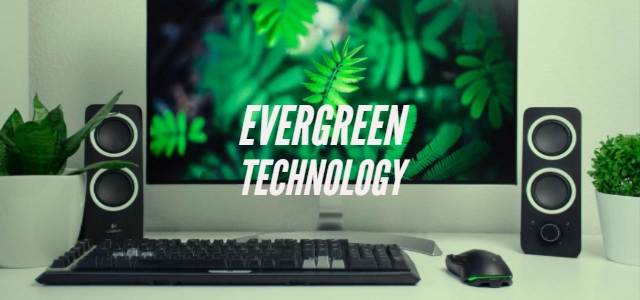
When Google’s Vice President of Global Ad Operations makes a prediction, people will sit up and listen. This must have been the case at the Digital Landscapes Conference, held at University College Dublin, where John Herlihy claimed that the rise of smartphones would see “the desktop PC all but obsolete within three years.”
However, there’s a problem…
He made that prediction back in March 2010!
And desktop PCs are still very much alive and clicking in businesses and organisations worldwide over nine years later.
So what went wrong with his analysis?
Mobile first announcement
Back in February 2010 at the Mobile World Congress in Barcelona, Google’s CEO Eric Schmidt announced that “mobile first” would be the company’s new guiding principle. This has been Google’s strategy ever since, supporting responsive website design and promoting websites that are mobile friendly in its search page rankings.
However, “mobile first” does not mean “mobile only.”
Posting on geek.com platform, Matthew Humphries suggested that this is what John Herlihy really meant. He said that he thought it was easy “to take Herlihy’s talk of the irrelevant desktop as him suggesting PCs will no longer matter. What I believe Google mean specifically is, it just won’t matter what you are using anymore. Desktop PC, laptop, netbook, tablet, or smartphone, you will get the same experience on all of them.”
Well, that’s a very sympathetic interpretation!
High quality UX for all
The truth is, in today’s incredibly fast moving technological revolution, you make cast iron predictions at your peril, although many of us fall into that trap from time to time.
BBI Brandboost has always been in favour of Google’s policy of rewarding high quality UX on mobiles and we believe that this is entirely compatible with providing an equally exceptional level of presentation for websites and e-commerce sites on other devices.
Our portfolio of case studies demonstrates how we put our website design and inbound marketing skills into creating a terrific UX and presentational impact for all mobile and desktop devices.
About the Author
As Head of Communications, Ronnie focuses on content writing, PR and media relations. Throughout a long journalistic and business career, he has developed an exceptional talent for spotting a good story and knowing how to tell it. His varied experience allows him to understand complex technical subjects like precision engineering and appreciate the key selling points of consumer markets such as travel.
Find out more about Ronnie...